What Is Post-Construction Cleaning? A Winnipeg Guide
Post-construction cleaning is the specialist clean that takes a commercial space from “the trades have left” to “ready for inspection and occupancy”. It removes debris, controls and removes fine construction dust, and cleans every finished surface, from ceilings and ducts to floors and glass. It is not a bigger version of a regular office clean. It uses different methods, different equipment and a different order of work. If you manage a build or a renovation in Winnipeg, this guide explains what the work covers, how it is staged and what to ask before you hire.
TL;DR
- Post-construction cleaning is a staged clean, usually rough, intermediate and final, that follows the trades and finishes before handover.
- The main hazard is fine dust. Safe methods rely on HEPA vacuuming and damp wiping, not dry sweeping or compressed air.
- The work covers high surfaces, vents, fixtures, glazing, floors and specialty areas such as gypcrete residue, not just visible rubbish.
- Book the cleaner early, tie each pass to trade handovers and agree what “done” means before work starts.
- In Winnipeg, we at Eshine Cleaning Services handle post-construction cleaning for commercial and industrial projects.
Table of Contents
- What post-construction cleaning actually is
- The phases: rough, intermediate and final
- Why the dust matters: health and safety
- What is included, area by area
- Who is responsible for it
- Cleaning rework and why it happens
- A point of view from our team
- How to hire a post-construction cleaner in Winnipeg
- Before the cleaners arrive: prepare the site
- Post-construction cleaning with Eshine in Winnipeg
- FAQ
- Sources
What post-construction cleaning actually is
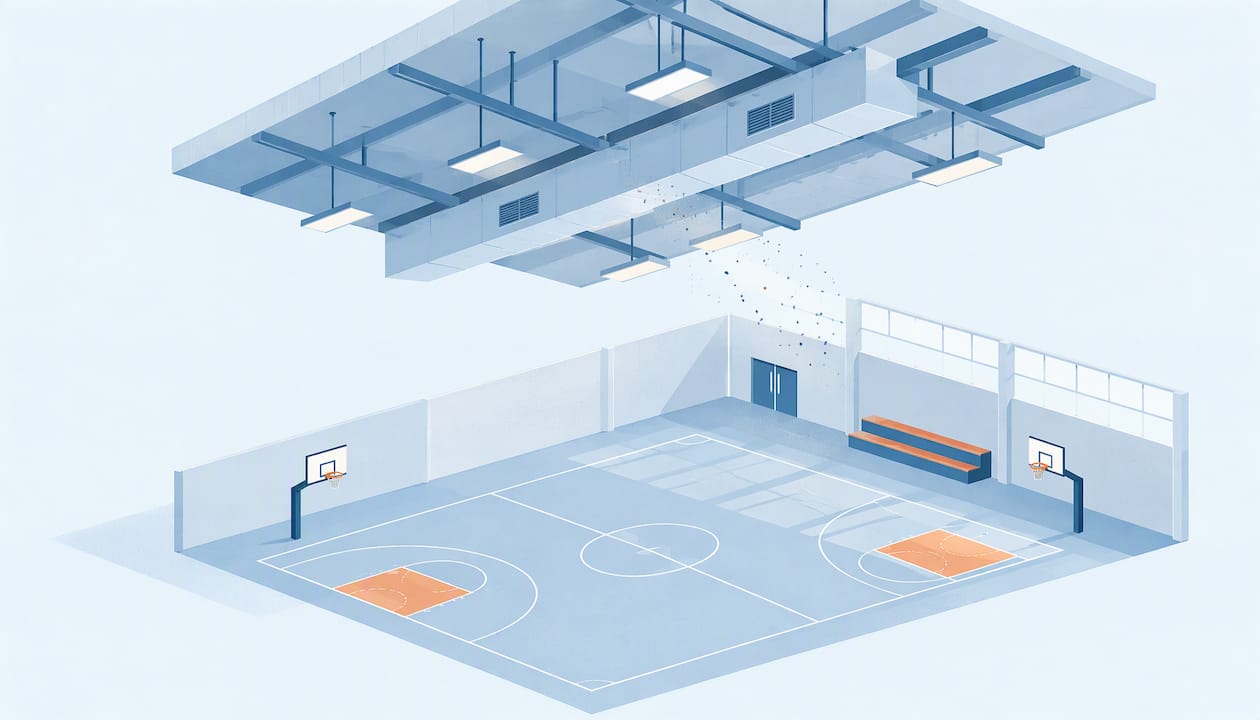
When construction ends, a space looks finished but is not clean. Cutting drywall, sanding joint compound, drilling concrete and installing ceiling tiles all leave fine particles that settle on every horizontal surface, inside light fixtures and on top of ductwork. Offcuts, packaging, adhesive, paint splatter, stickers and protective film remain on glass and fixtures.
Post-construction cleaning, sometimes called construction cleanup or final construction cleaning, deals with all of it. The goal is a space that passes a walkthrough, meets the inspector’s or tenant’s expectations and is safe for people to breathe in and work in on day one.
It applies to new commercial builds, tenant fit-outs, office renovations, retail and restaurant conversions, and industrial projects. A cosmetic repaint of one room needs far less than a full gut renovation, but the same principles apply.
How it differs from regular commercial cleaning
Routine cleaning maintains a space that is already clean: emptying bins, washing floors, sanitizing washrooms. Post-construction cleaning recovers a space that has never been clean since the building work began. The differences are practical:
- Volume of dust. Construction dust is much finer and heavier in quantity than everyday office dust, and it gets into places routine cleaning never reaches.
- Surfaces at risk. New flooring, stainless steel, glass and painted finishes can be scratched or etched by the wrong tool or chemical, so the method matters.
- Sequence. Cleaning has to follow the trades from the top down, or dust simply falls onto surfaces you have already cleaned.
- Deadline pressure. The clean sits at the very end of a schedule that has usually already slipped, so planning and crew size matter.
If you want to see how the two categories differ at the industrial end, our article on industrial cleaning versus commercial cleaning sets out where the lines fall.
The phases: rough, intermediate and final
Most professional crews split the job into three passes. Names vary slightly between companies, but the logic is consistent.
Phase 1: Rough clean
The rough clean happens while the trades are finishing or just after they leave. It clears the bulk: offcuts, packaging, pallets, trade garbage, large debris and loose material. Crews do a first vacuum and remove heavy dust build-up from floors and open surfaces. Nothing here is about appearance. It is about getting the space to a state where the next trades, and the finer clean, can work.
Phase 2: Intermediate clean
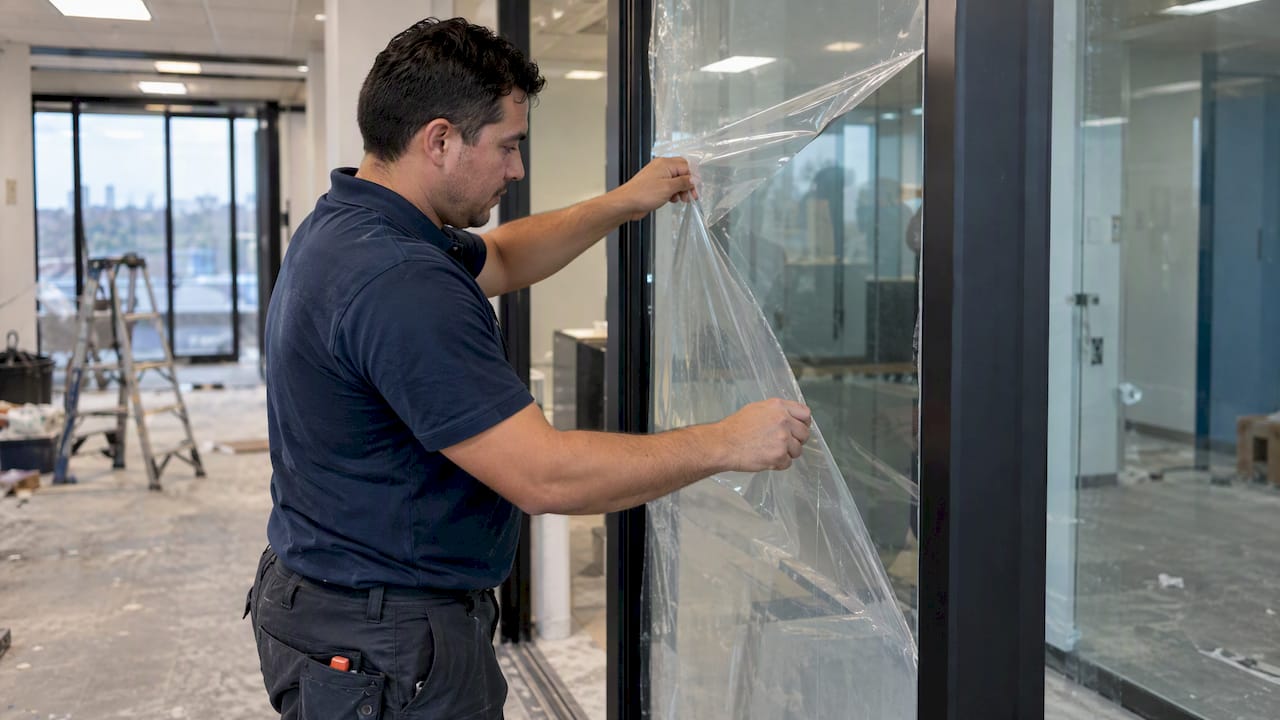
Once fixtures, ceiling grids and finishes are in, the crew goes surface by surface. Work moves from high to low: high dusting of beams, bulkheads, ceilings, ledges and light fixtures, then walls, door frames, vents, shelving and built-ins, then floors. Stickers, tape and protective coverings come off glass and equipment. This is where most of the fine dust is captured.
Phase 3: Final clean
The final clean is the presentation pass, done just before handover. Glass and mirrors are polished, fixtures and hardware wiped, washrooms and kitchenettes cleaned, floors finished to suit the material, and the whole space checked against a walkthrough list. If a punch-list item triggers more trade work after this pass, a touch-up may be needed, which is why we tie cleaning dates to trade handovers rather than to the calendar alone.
You can see a detailed breakdown of what falls under each pass on our page what post-construction cleaning includes, and a printable list in our post-construction cleaning checklist.
Why the dust matters: health and safety
The reason this work is specialised is not vanity. Construction dust can contain respirable crystalline silica, which comes from concrete, masonry, mortar and drywall-related materials. The Canadian Centre for Occupational Health and Safety (CCOHS) explains that long-term exposure causes silicosis, a serious lung disease, and it notes that workplaces control the hazard through risk assessment and the hierarchy of control. According to the same CCOHS material, citing CAREX Canada data from 2016, around 429,000 workers in Canada are occupationally exposed to silica, with construction labourers and plasterers and drywallers among the largest groups.
For cleaning, the practical lesson is about method:
- HEPA vacuuming captures fine particles instead of recirculating them.
- Damp wiping lifts dust off surfaces instead of moving it around.
- No dry sweeping and no compressed air. CCOHS is clear that compressed air should not be used to clean clothing, skin or work surfaces, because it throws dust into the air where people breathe it.
A cleaner who sweeps a freshly sanded floor dry or blows dust off ledges is creating the hazard they are paid to remove. When you vet a contractor, ask how they handle dust. The answer should include HEPA-filtered equipment and wet methods.
If you manage an occupied building next to a renovation, the same logic applies to the people already working there. Our guide on commercial cleaning and workplace safety covers how cleaning supports a safer workplace, and our five safety checks for construction cleaners lists what facility managers should verify before a crew starts.
What is included, area by area
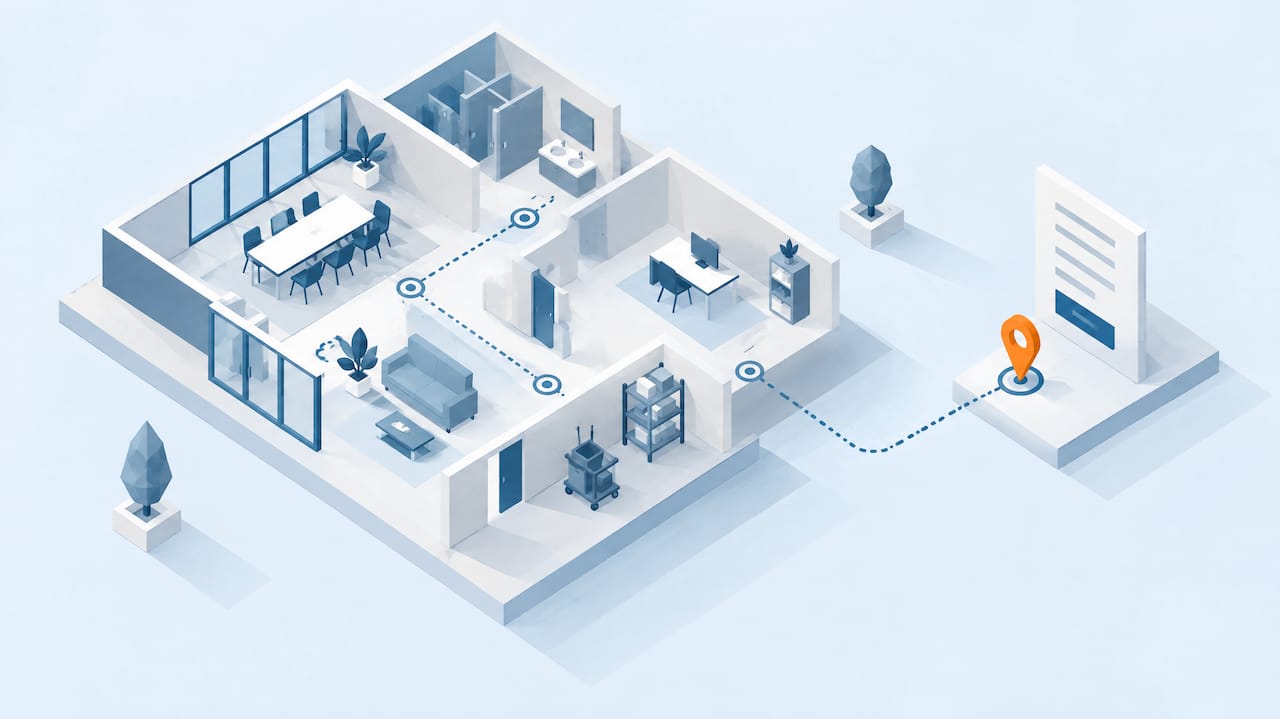
Scope differs by project, but a thorough post-construction clean in a Winnipeg commercial space typically addresses these areas.
| Area | Typical work |
|---|---|
| Ceilings, beams, bulkheads | High dusting, removal of drywall and plaster dust |
| Light fixtures and vents | Wipe-down of fixtures, grilles and diffusers; removal of visible dust at accessible vents |
| Walls, doors and frames | Dust removal, spot cleaning of paint splatter, adhesive and marks |
| Windows and glass | Sticker and film removal, residue cleaning, polishing |
| Floors | HEPA vacuuming, scrubbing and finishing suited to the material |
| Concrete and gypcrete surfaces | Removal of residue and fine powder left by pours and levelling |
| Washrooms and kitchenettes | Fixtures, tile, cabinetry, sinks and counters cleaned and sanitized |
| Built-ins and shelving | Interior and exterior wipe-down, debris removal |
| Entrances and common areas | Final presentation clean of lobbies, stairwells and corridors |
Two items deserve special mention. Gypcrete residue leaves a fine, chalky film that spreads easily into adjacent areas if it is swept rather than vacuumed properly. And high dusting is where most rework starts: if ceilings and ledges are skipped, dust drifts down onto cleaned floors within days of occupancy.
Where flooring is a major part of the finish, floor care is the last step: stripping, scrubbing or finishing that suits the surface, so the first impression at the walkthrough is a good one.
Who is responsible for it
On many projects the contract spells it out. Public-sector construction documents often put final cleaning on the general contractor, for example, the owner’s general requirements published by Interior Health require the contractor to clean fixtures and leave doors and hardware working and polished. In multi-tenant commercial buildings, the lease may work differently: the Cadillac Fairview construction guide states that the landlord provides cleaning after tenant construction at the tenant’s expense, and requires walk-off mats to protect building floors.
The lesson for a Winnipeg owner, developer or property manager is simple: read who pays and who performs the clean before the project starts. Many contractors subcontract the work to a specialist, and many owners hire directly to keep control of timing and quality. Either way, a vague line such as “broom clean” in the contract is a common source of disputes. Specify HEPA vacuuming, high dusting, glass cleaning and the standard for handover.
Cleaning rework and why it happens
The most common complaint after a handover is dust that returns. It usually has one of three causes: the high surfaces were skipped, the crew used dry methods that put dust back into the air, or the final clean happened before a trade finished. Dust then settles on the clean floor and the walkthrough fails. We have written about this pattern in our piece on cleaning rework on Winnipeg commercial projects, and the fix is mostly scheduling and method, not extra effort.
A point of view from our team
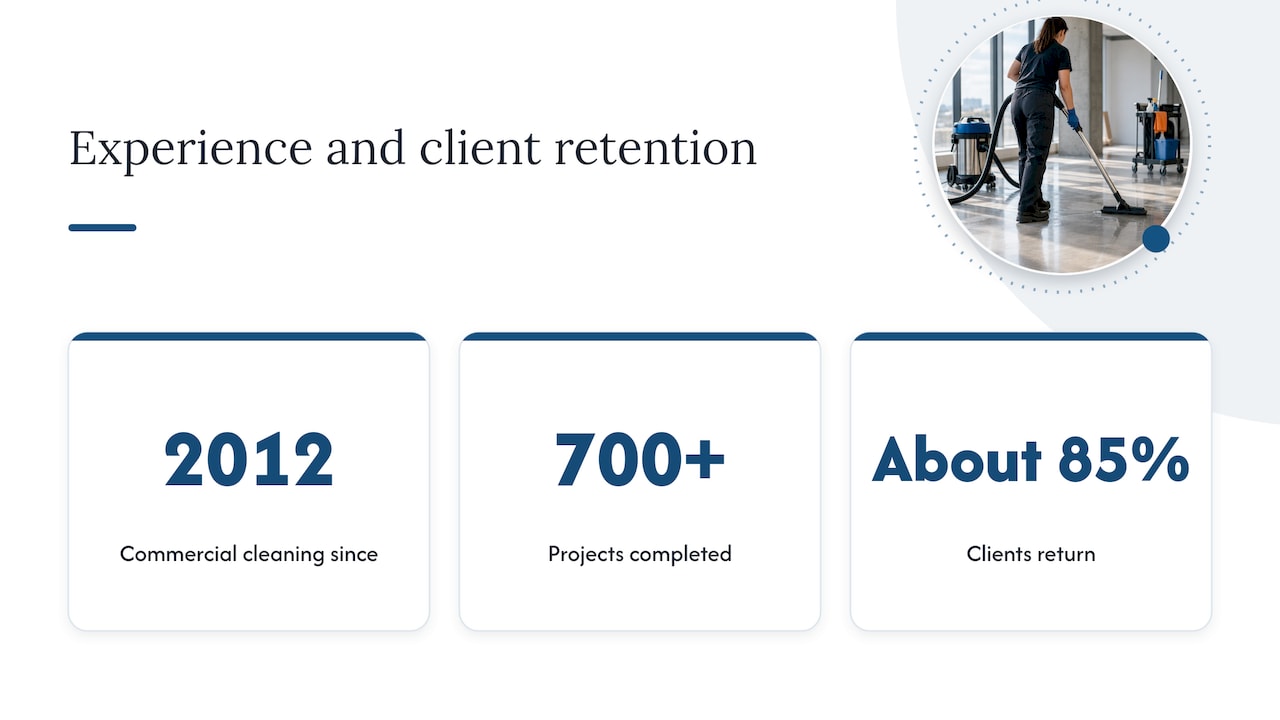
We have been cleaning commercial spaces since 2012 and have completed over 700 projects, and the pattern on construction jobs is consistent: the quality of the final clean is decided by the plan, not by the last day. The best handovers we see have three things in common.
First, the cleaner is involved early. Even a short site walk before the trades finish tells us about floor types, access, hoisting, waste routes and any specialist areas. Second, each pass is tied to a trade milestone. We would rather do a short, accurately timed rough clean and a final clean than one long clean that has to be repeated. Third, we use advanced equipment, including HEPA-filtered vacuums, because the dust is the real job, not the rubbish.
Eshine is privately owned and is not a franchise, and we are certified and insured. Our approach is a customized plan for each facility, with flexible scheduling and ongoing quality control. About 85% of our clients come back to us after a project, and we think that comes from agreeing the scope in plain language and sticking to it.
— Jack
How to hire a post-construction cleaner in Winnipeg
Use these criteria, in roughly this order.
- Method for dust. Ask whether they use HEPA-filtered vacuums and damp wiping, and whether they ever use compressed air or dry sweeping. The right answer is HEPA and wet methods, with no compressed air on surfaces.
- Certification and insurance. Ask for proof of insurance and any relevant certifications before they set foot on site. Your general contractor or property owner will usually require it anyway.
- Written scope. The quote should list the areas, the number of passes and the handover standard. If it says only “post-construction clean”, ask for more detail.
- Scheduling flexibility. Construction schedules shift. A crew that can move a pass by two days without penalty is worth more than a slightly lower rate.
- Capacity. For larger floors, ask how many people they will put on site and how long each phase will take.
- Quality control. Ask who walks the space with you at the end and how punch-list items are handled.
- Specialty experience. If your site includes gypcrete, industrial floors or high ceilings, check that they have done that type of space before.
Price varies a great deal with square footage, the level of dust, access and the number of passes, so any honest provider will want to see the site or the drawings first. We do not publish a flat rate for this reason. We quote after understanding the project. For a broader view of how to weigh quotes, see our article on cleaning cost versus value.
Before the cleaners arrive: prepare the site
A few steps from your side make the clean faster and cheaper to deliver:
- Have the contractor remove bulk waste, bins and leftover materials first. If a project involves tear-out, specialist demolition and disposal services handle the heavy debris so the cleaning crew can focus on dust and surfaces.
- Confirm that power, water and lighting are working. Cleaners need them for equipment and for seeing what they are doing.
- Protect finished floors with walk-off mats at entrances, and keep the site closed to trades after the final clean begins.
- Agree on access hours, especially in a building that already has tenants.
- Decide who signs off the result and when.
For a Winnipeg-specific view, our tips for post-construction cleaning on Winnipeg commercial properties go into timing and access in more detail. If your project is a larger development, see our page on post-construction cleaning in Winnipeg commercial buildings, and for care environments, our note on senior-living renovations.
Post-construction cleaning with Eshine in Winnipeg
If you have a build, fit-out or renovation coming to a close in Winnipeg, we can plan the cleaning passes around your trade handovers and deliver a space that is ready for the walkthrough. We work with contractors, developers, property managers and business owners, with a customized plan and flexible scheduling for each site. Tell us about your project through the Eshine Cleaning Services site and we will come back to you with a scope.
Explore Winnipeg Post-Construction Cleaning
FAQ
How long does post-construction cleaning take?
It depends on the floor area, the amount of dust and the number of passes. A small office renovation may need a day or two, while a large multi-floor build takes longer and is spread across the schedule. A site visit is the only reliable way to estimate it.
Can the contractor’s own crew do the final clean?
Sometimes, and for light jobs it can be enough. For fine dust, high surfaces and finished materials, a crew with HEPA equipment and the right methods is safer and usually avoids rework. Check your contract to see who is responsible.
When should I book the cleaner?
Book as soon as the completion date is reasonably firm, and ideally before the trades finish. Early notice lets the cleaner plan the rough clean, the intermediate clean and the final clean around trade handovers.
Is post-construction cleaning the same as janitorial service?
No. Janitorial service maintains a clean space on a regular schedule. Post-construction cleaning is a one-off project that removes construction debris and dust so the space can be occupied. Many of our clients move to a recurring commercial or office cleaning plan once they have moved in.
Sources
- CCOHS: Silicosis
- CCOHS: Cleaning with Compressed Air
- Interior Health: Owner’s General Requirements
- Cadillac Fairview: Construction & Improvements Guide 2023
Recommended
- Post-Construction Cleaning Tips for Winnipeg Properties
- Post-Construction Cleaning for New Winnipeg Businesses
- Post Construction Cleaning Winnipeg Commercial Buildings
- Winnipeg Hotel Construction Cleaning